Find a Psychologist Near Me
Brisbane & Online Therapy

Brisbane & Online Therapy
Clinical Psychologist
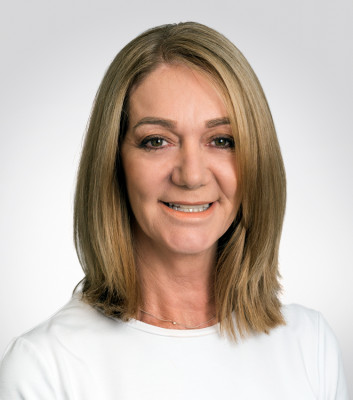
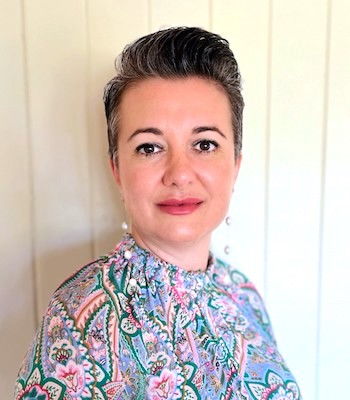
Morgwn Paris Psychology
BPsychSc, BA(Hons), MClinPsych.
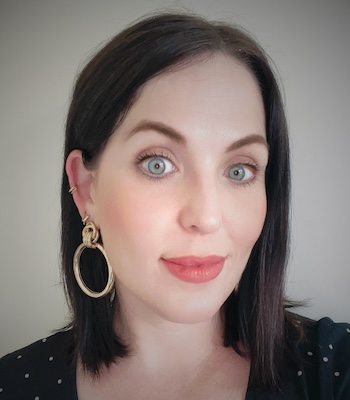
I am a Clinical Psychologist who works with adults and adolescents (diagnostic assessment services and treatment) and children (diagnostic assessment services).
My commitment to understanding the intricacies of individual differences has led me to develop a particular interest in working with neurodiverse populations. I can help clients with the following assessments:
My expertise extends to handling complex clinical presentations, where a comprehensive and well-rounded approach informs my diagnostic assessments and therapeutic interventions. I have extensive experience in helping clients address a wide range of intricate psychological challenges, including anxiety, depression, trauma, personality disorders and most clinical presentations.
Psychologist Brisbane & Online Therapy.
Clinical Psychologist
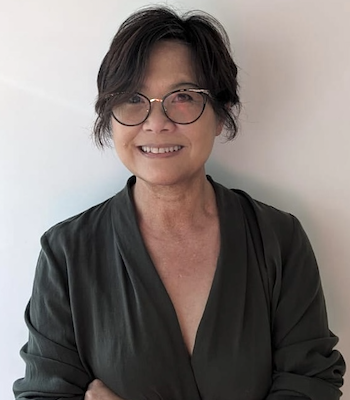
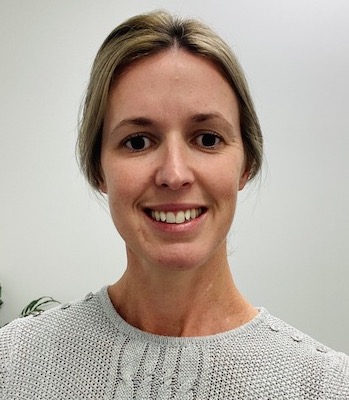
Claire Pang Psychology
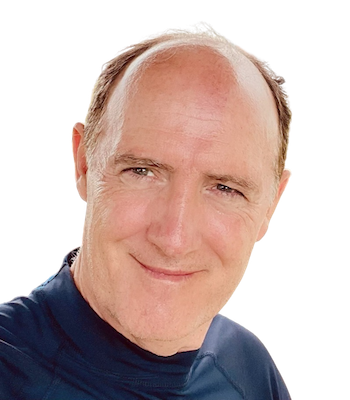
I am an Australian-trained Clinical Psychologist with over a decade of clinical experience in treating general adult psychological presentations, particularly mood disorders, interpersonal and relationship stressors, low self-esteem, workplace conflicts and adjustment difficulties with life transitions. I adopt evidence-based treatment guidelines with a strong focus on therapeutic outcomes and use systematic evaluation to aid the achievement of treatment goals.
I have a particular interest in helping individuals and couples with a wide range of relationship problems. I believe in supporting strong relationships of all types as it is an incredibly powerful way to improve individuals’ wellbeing.
I help couples learn practical relationship strategies based on Gottman Couple Therapy methods, which have proven to be a successful approach supported by decades of empirical evidence. The structured and goal-directed intervention framework provides couples with a roadmap to target their specific relational problems and ultimately helps them to create strong, intimate bonding.
During my years of clinical experience, I have learned the importance of emotional correction in therapy. I pay particular attention to building positive expectations at the commencement of therapy and favour experiential approaches that help individuals quickly shift their inner experiences from despair to hopefulness, from reactiveness to understanding.
I can also provide psychotherapy in Mandarin and Cantonese.
Psychologist Brisbane & Online Therapy.
Clinical Psychologist
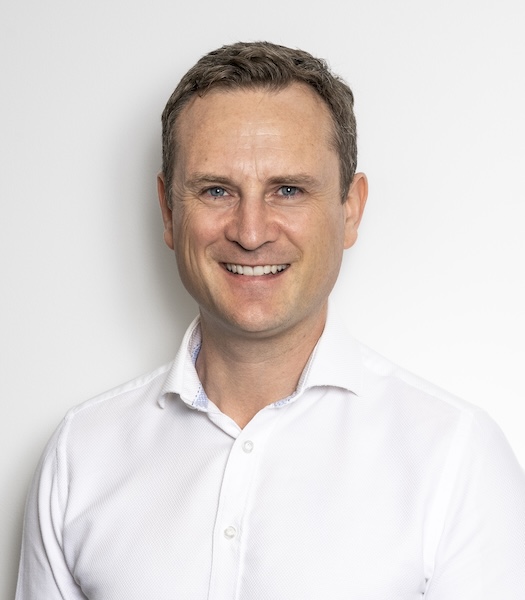
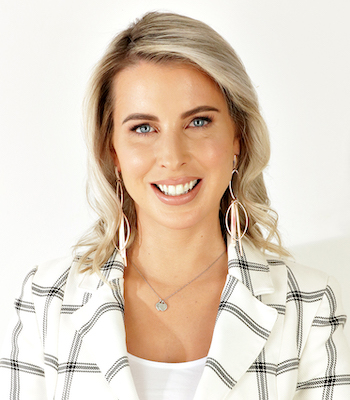
Psychsafe Services
BSocSc (Hons), PhD Clinical Psychology and Clinical Neuropsychology.
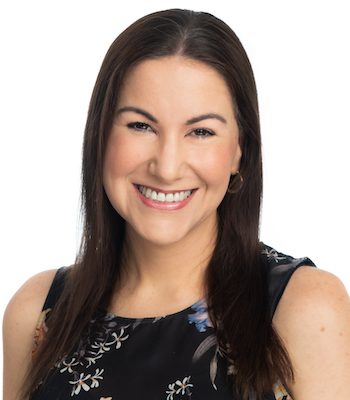
I am a Clinical Psychologist with over 25 years of experience. I have broad experience encompassing community mental health, private practice, employee assistance programs and organisational psychology.
My authentic, warm and direct style allows me to initiate and grow one-on-one relationships, navigate challenging conversations and quickly grasp client needs. I work with adults, both individuals and couples. For Couples Counselling, I use evidence-based methods such as the Gottman Method, Emotionally Focussed Therapy (EFT) for couples, Schema Therapy and EMDR Therapy.
In addition, I skillfully translate complex psychological theories into practical, meaningful solutions for individuals. I conduct cognitive assessments, including adult ADHD and ASD, among others.
I have a PhD in Clinical Psychology and Clinical Neuropsychology from The University of Queensland and am a member of the Australian Psychological Society.
Psychologist Brisbane & Online Therapy.
Clinical Psychologist
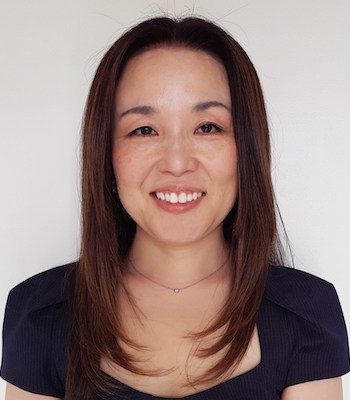
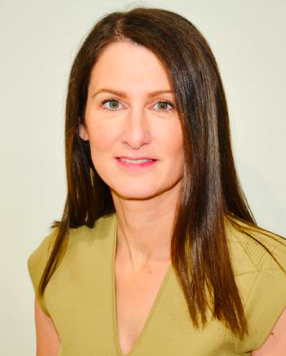
Restore Psychology
BSc (Honours), DPsych (Clinical), Member of Australian Psychological Society (MAPS), Member of Australian Clinical Psychology Association (MACPA), Psychology Board Approved Supervisor.
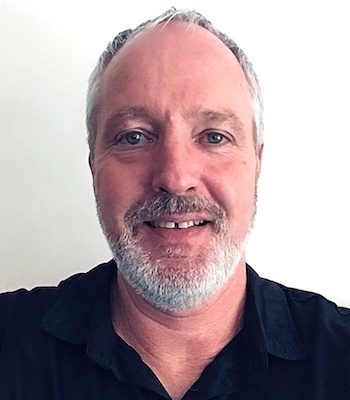
I am a Clinical Psychologist offering various services, including assessment and diagnosis, evidence-based psychological therapies, cross-cultural counselling, clinical supervision, and organisational consulting.
My therapeutic approach stems from a range of theoretical perspectives and evidence-based treatment approaches, including CBT Therapy, EMDR Therapy, and Schema Therapy, among others. In addition, my extensive experience working with people across the lifespan and from various socio-economic backgrounds and cultures has enhanced my skills in adapting therapy to reflect my client’s individual needs, perspectives, and desired outcomes.
More broadly, I am strongly focused on working with her clients to self-manage their symptoms, achieve lasting change, and, most importantly, improve their quality of life. I am committed to improving my performance through client feedback, monitoring outcomes, and self-evaluation, all of which are essential aspects of facilitating positive change.
Psychologist Brisbane & Online Therapy.
Clinical Psychologist
Dr Katherine Horrigan
BPsych (Hons), PhD in Clinical Psychology.
My name is Dr Katherine Horrigan, and I am a warm and compassionate Clinical Psychologist who has practised psychology for over 12 years. I have worked with diverse populations in various settings, including private/public hospitals, community-based and hospital-based mental health services, research-based treatment programs and extensively in private practice.
I have substantial experience working with adults with depression, mood and anxiety disorders and those with a history of trauma. I also have considerable experience working with individuals adjusting to difficult life transitions, stress or unexpected life changes. I recognise that each client is unique and strives to tailor each client’s treatment approach and needs.
Overwhelmingly, I strive to assist clients in developing and applying the skills and resilience they need to cope effectively over the long term. I favour strategies that empower, educate, and encourage clients to improve and enhance their psychological health.
Psychologist Brisbane & Online Therapy.
Clinical Neuropsychologist
Coastal Neuropsychology Services
BPsych (Hons), MPsych(ClinNeuro), MClinPsych, PhD
Psychology Board Approved Supervisor, Fellow of the College of Clinical Neuropsychologists, Full Member of The EMDR Association of Australia (EMDRAA), Member of the Australian Psychological Society (MAPS) and the Australian Association of Psychologists (AAPi), Adjunct Senior Lecturer at Southern Cross University (SCU).
I am a Psychologist trained in Clinical Neuropsychology and Clinical Psychology. I am dedicated to a career that combines therapy, teaching, and research with evidence-based clinical practice. I work with children and adults aged 12 and above. My clinical goals focus on ensuring accurate assessment, diagnosis, and treatment of neurodevelopmental conditions. The assessments I provide include:
ADHD: A comprehensive assessment process to ensure an accurate diagnosis of Attention Deficit Hyperactivity Disorder (ADHD) with emphasis on the development of personalised strategies and recommendations to help clients manage their ADHD symptoms and associated life challenges.
Autism: My Autism ASD assessments are comprehensive neuropsychological assessments involving interviewing, observation, and cognitive testing. My assessment process focuses on understanding the client’s unique profile and strengths, from which a treatment plan, strategies, and required support can be developed.
Other neuropsychological assessments: Learning/Academic Skills Assessments and acquired brain injury.
Clinical Psychologist
Stacey Koniw Psychology
BPsych (Honours), MPsych (Clinical), Member Australian Psychological Society (MAPS).
My name is Stacey Koniw, and I am a warm and compassionate Clinical Psychologist who prides herself in building rapport and trust with her clients. I have worked with diverse populations in a variety of settings, across the paediatric to geriatric age ranges and with different cultural and linguistically diverse backgrounds.
I draw upon several evidence-based practice therapies and am particularly interested in working with those with comorbid health and mental health conditions. I have previously worked in a child development team, a correctional facility (low and high risk) and with inpatients/outpatients in a hospital and home setting.
My medical illness experience includes Oncology, Haematology, GynaeOnc, Palliative Care, Urology, Inflammatory Bowel Disease, Irritable Bowel Disease, Liver Disease, Type 1 and 2 Diabetes, Chronic Pain (Musculoskeletal/Neurological/Pelvic), Neurodegenerative Conditions, and Cardiac and Kidney Disease. I also provide support to those experiencing chronic disease and life-limiting illnesses.
Psychologist Brisbane & Online Therapy.
Clinical Psychologist
Psychology Specialists
B.Psych, M.Psych (Clinical), Member Australian Psychological Society (MAPS), Fellow APS College of Clinical Psychologists.
I am a Clinical Psychologist, passionate about utilising the powerful benefits of EMDR Therapy and Schema Therapy with clients who are ready to feel better faster.
I know that when people call me for therapy, they are in pain and are looking for relief. My goal is to help you resolve issues that cause you pain and suffering, and help you reach your full potential and face life challenges.
Together, we will explore issues that are consuming you and work to implement a plan that will lead you to a more fulfilling life. You will emerge from therapy feeling stronger, empowered, and self-aware. You will again be able to experience joy, happiness, and overall well-being.
I have a special interest in working with adults with a history of relationship difficulties, weight management, and trauma. However, regardless of your concerns, you don’t need to do this alone.
Clinical Psychologist
Martin Hood Psychology
BCom, Dip Arts, MSc (Hons), PGDipClinPsy, Member Australian Psychological Society, Fellow APS College of Clinical Psychologists, Board Approved Supervisor.
My name is Martin Hood, and I am a warm and caring Clinical Psychologist with over 16 years of experience dealing with a wide variety of clinical issues.
I have a special interest in Schema Therapy and working with executives, professionals, and entrepreneurs. I also have experience in helping clients overcome anxiety, OCD, stress, and longstanding issues through evidence-based methods such as CBT (Cognitive Behavioural Therapy) and ACT (Acceptance and Commitment Therapy).
I have worked in a broad range of settings, including at an anxiety disorders clinic, a psychosis outreach service, health psychology, injury rehabilitation, and adolescent and family clinics before commencing private practice.
Psychologist Brisbane CBD
Clinical Psychologist
Chris Hepperlin
BSc (Psych Hons) (UNSW), MClinPsych (MacqU), MBA (USyd), MAPS, Fellow of the APS College of Clinical Psychology.
I am an experienced Clinical Psychologist who seeks to understand your goals and priorities and to work with you with empathy, compassion and skill.
I work with clients to help them:
In addition to my Clinical Psychology credentials, I hold an MBA from the University of Sydney’s Graduate School of Business. I have worked in a variety of tertiary hospitals, specialist mental health, community health, and university settings. I have held senior management positions in the health and education sectors in NSW and QLD and am a former President of the Asia Pacific Student Services Association.
Psychologist Brisbane & Online Therapy.
Clinical Psychologist
Miyuki Ono Psychology Services
BPsych (Hons), PhD (Masters and PhD combined) in Clinical Psychology, Member of the Australian Psychological Society and Japanese Psychological Association.
My name is Dr Miyuki Ono. I am a Clinical Psychologist with substantial experience working with adults with a history of complex childhood trauma. I help clients develop an understanding of where they learned unhelpful ways of coping and how they may be able to unlearn such coping styles. I also have a keen interest in working with adult ADHD (ADHD management and treatment).
I have experience working with adults in various settings, including private/public hospitals and the private sector, treating all age groups. I aim to help my clients learn and grow from their experiences.
My passion is both research and clinical practice in the field of trauma. I completed my PhD focusing on topics like how individuals with a history of childhood trauma evaluate their sense of self and how such evaluation affects their cognition, memory, and, ultimately, psychological well-being.
Brisbane CBD & Online Therapy
Clinical Psychologist
Gerhard Venter Psychology
BPsych(Hons) MPsych(Clin).
My name is Gerhard Venter. I am an approachable and compassionate Clinical Psychologist who has been practising Psychology for almost 30 years. I work with adults aged 18 years and older.
I am engaging and informal yet very professional in my approach. I draw from several evidence-based therapies, including CBT (Cognitive Behavioural Therapy), ACT (Acceptance and Commitment Therapy) and trauma-informed therapy EMDR Therapy and regularly engage in professional development to ensure his practice remains current.
I have worked in private practice for many years and previously managed acute and community mental health services across Metro North. My work in acute mental health has given me substantial experience in risk assessment, crisis management and navigating the public mental health system. Previous experience includes serving in the military for seven years as a Clinical Psychologist and providing consultation services for human relations to the petrochemical industry.
I am also known for my manner, professionalism, knowledge and commitment to supporting others towards better mental health.
Psychologist Brisbane CBD
Clinical Psychologist
LM Clinical Psychology
BPsych (Hons), MPsych(Clin).
My name is Laura MacCombie, and I am a Clinical Psychologist with over ten years of experience. I have a special interest in working with clients with a background of complex childhood trauma and domestic violence relationships, particularly recovery from narcissistic abuse.
My style is warm and empathetic, allowing my clients to immediately feel comfortable and at ease opening up in session. I create a supportive environment, facilitate collaborative goal setting, and develop personalised treatment plans based on my client’s individual needs.
I have substantial experience working with adults and university students with presentations such as generalised anxiety disorder (GAD), social phobia, post-traumatic stress disorder (PTSD), depression, relationship difficulties, and student-related difficulties such as procrastination and perfectionism.
I use a range of evidence-based therapies, including EMDR Therapy, Schema Therapy and others listed below; however, I particularly enjoy Schema Therapy, hypnotherapy, and neurolinguistic programming (NLP).
Psychologist Brisbane & Online Therapy
Registered Psychologist
Alicia Firth Psychology
BTh, GDipPsych, BPsych (Hons), MPPsych, MAAPI, IAAN.
My name is Alicia Firth. I am a Registered Psychologist offering a range of online therapy services, including assessment and diagnosis and evidence-based psychological therapies with adults. My emphasis is on working with clients in a collaborative way that can be described as ‘fluid within structure’ with the aim of helping clients to self-manage their symptoms, improve their quality of life and, most importantly, reach their individual goals. I am committed to improving my performance through client feedback, monitoring outcomes, and ongoing education, all of which are essential aspects of facilitating beneficial change.
I have post-graduate training in Trauma-Focused CBT and have worked with clients experiencing PTSD and complex trauma. I have a special interest in stress and trauma and am currently completing doctoral-level studies to continue to develop my expertise in this area.
My therapeutic approach stems from a range of theoretical perspectives and evidence-based treatment approaches, including CBT Therapy, Trauma-Focused CBT, and Schema Therapy, among others.
My areas of interest include adult assessment for ADHD, PTSD, depression, anxiety, complex trauma, grief and loss, self-identity and self-esteem issues, adjustment difficulties, work-life balance, workplace stress and professional performance issues- working with business owners and other professionals, clarifying values and life goals, problem-solving, communication skills and assertiveness training, and couples therapy among other presenting issues.
Clinical Psychologist
DPsych (Clinical), BPsych (Hons), Board Approved Supervisor.
My name is Dr. Christina Beckman. I am a warm and compassionate Clinical Psychologist with 17 years of experience working with adults with various presenting concerns. I have broad experience across private practice, research, and public health settings. I value creating a safe and supportive therapeutic environment to empower my clients to make meaningful and lasting changes to improve their quality of life.
I have substantial experience working with those who are living with mood disorders, anxiety, and the impacts of complex trauma. I have also gained much experience working with clients living with pain, distressing tinnitus, and various chronic medical conditions.
I gain strong satisfaction from helping my clients overcome challenges, gain lifelong skills to enhance resilience and find growth through adversity. I work within evidence-based practice models, including CBT Therapy (Cognitive Behaviour Therapy), ACT Therapy (Acceptance and Commitment Therapy), Mindfulness, and Schema Therapy.
Psychologist Brisbane & Online Therapy
General Psychologist
Psychologist CBD Brisbane
Bachelor of Psychology, Post Grad Certificate in Medical Hypnosis, MAPS Member of Australian Psychological Society.
My name is David Short, and I a a Registered Psychologist with over 20 years of experience working in public, private, and corporate roles in psychology. I have a passion for assisting people with insights into self-defeating behaviours and strategies to move forward towards a more fulfilling life. This is achieved through a client-centred, clear, compassionate, and cooperative approach, supportive and non-judgemental, ensuring a positive therapy experience.
I tailor individual solutions for my clients by drawing from traditional and contemporary evidence-based approaches, including CBT Therapy (Cognitive Behavioural Therapy), Schema Therapy and Mindfulness.
I have substantial experience working with clients with presentations including depression and anxiety-related disorders, difficult life transitions, relationships, self-esteem and confidence issues, student support, executive wellness, men’s health, fatherhood, and stress management.
Psychologist Brisbane & Online Therapy
General Psychologist
Dr Wang Psychology
PhD, BEd (Psych), Member of Australian Psychological Society /博士,澳洲心理学会会员
My name is Dr Wei Wang. I am a Registered Psychologist and provide individual psychological consultation and support to adults for a range of presenting issues, including psychological and emotional, workplace, family, study, and relationships.
I have ample experience working with clients from various backgrounds and age groups. I encourage and support clients to develop and cultivate their inner strengths so that they will be able to better their coping capacities with independence and confidence.
I am committed to providing client-centred psychological therapy using evidence-based techniques to improve and strengthen psychological health. I offer in-person and online therapy services, which means I am available to people in Brisbane and beyond who may need more flexible options to attend appointments due to geographical location or other barriers preventing them from attending in person.
Brisbane CBD & Online Therapy /布里斯班中央商务区、线上